



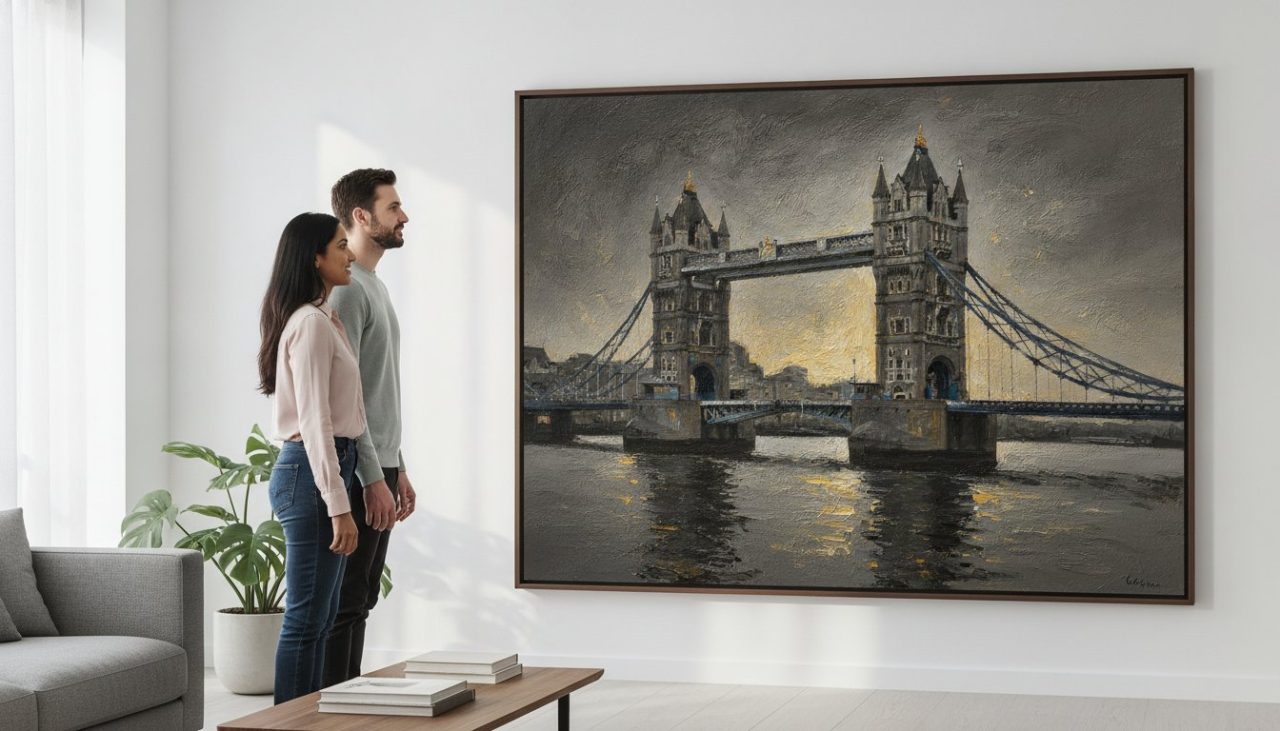
What if the most meaningful piece of art in your home didn’t come from a silent, white-walled gallery where you felt like you had to whisper? For many, the idea of stepping into a formal exhibition feels more like an audition than an exploration. You aren’t alone if you feel a bit overwhelmed by technical jargon or the fear of overpaying when you first look to buy original art. It’s common to worry about the difference between a reproduction and a true painting, or why one canvas costs £500 whilst another costs £5,000.
When you choose a handmade piece, you’re looking for more than just decor; you want a story that brings character and colour to your walls. This guide simplifies the journey so you can move forward with quiet confidence. You’ll learn how to evaluate a painting’s texture, distinguish between unique works and prints, and understand the true value of supporting an independent creator. We’ll cover everything from judging quality to finding those nature-inspired pieces that bring a unique atmosphere to your favourite room.
Key Takeaways
- Understand the physical depth and unique story behind authentic paintings compared to mass-produced factory alternatives.
- Identify your personal style by looking at your home’s existing decor and exploring subjects like architectural vistas or traditional portraits.
- Learn how to evaluate technical quality, including the use of archival-grade materials and professional affiliations like the Society of Architectural Illustrators.
- Discover how to buy original art with confidence by following a simple vetting process for both online and in-person acquisitions.
- Find out how a bespoke commission can transform a personal memory or a heritage building into a one-of-a-kind focal point.
The Unique Appeal of Original Art: Why Favour Authenticity?
There’s a distinct tactile quality to a physical painting that a digital print simply cannot replicate. Choosing to buy original art means you aren’t just purchasing an image; you’re acquiring the physical residue of a creative moment. Unlike the flat, uniform surface of mass-produced factory prints, an original work possesses texture, depth, and a unique interaction with light. Whether it’s the rich impasto of an oil painting or the delicate, translucent layers of a watercolour, these pieces breathe life into a room. They change as the sun moves across your walls, revealing new details and shifting colours throughout the day.
The Emotional Connection of the Artist’s Hand
Every visible brushstroke or faint pencil mark serves as a map of the artist’s decisions. These small, human touches are the soul of the work. They show where the creator paused, pivoted, or pressed harder against the canvas. There is a deep satisfaction in knowing that no one else in the world owns that exact same piece. Original art is a tangible record of an artist’s vision, preserved in physical form for years to come. It’s this human connection that makes a painting feel like a living conversation rather than just a silent decoration.
Investing in Your Home’s Character
A single, well-chosen painting often becomes the natural focal centre of a living space. It anchors the furniture and sets the emotional tone for the entire house. Beyond aesthetics, living amongst hand-crafted objects offers significant psychological benefits, fostering a sense of calm and an appreciation for genuine craftsmanship. Whilst commercial trends fade quickly, a unique piece remains relevant because its value is tied to its story and authenticity.
While many collectors focus on the canvas, the quality of the surrounding walls is just as important for a professional finish; you can learn more about 1st Class Painting & Restoration for expert painting and remodelling services that help create the perfect backdrop for original art.
For many, starting a collection is about more than just filling a gap on a wall. It is often about understanding private collections as a way to preserve personal history and individual taste. An original painting isn’t a temporary purchase; it’s a potential heirloom that can be passed down through generations. By choosing to buy original art, you invest in something that holds its meaning long after high-street fashions have changed. It becomes a permanent part of your home’s identity, growing more precious as the years go by.
Defining Your Aesthetic: Navigating Styles, Colours, and Subjects
Finding your personal style is often the most rewarding part of the journey. When you start to buy original art, you don’t need a degree in art history to know what moves you. Begin by looking at your current home decor. Notice the colours in your favourite rug or the wood tones of your furniture. These elements provide a natural palette for your search. If your home is filled with soft neutrals, you might seek a vibrant focal point. Conversely, a busy room might benefit from a tranquil, minimalist scene.
Atmosphere is everything. Think about how you want a room to feel when you walk in. Do you crave a sense of stillness or a burst of energy? Many new collectors find it helpful to create digital mood boards or physical scrapbooks of images that catch their eye. Over time, recurring patterns usually emerge. You might find you’re consistently drawn to the golden light of a sunset or the sharp lines of a city street. Experts often suggest that how to find the right art involves trusting your initial emotional response rather than overthinking the “rules” of decor.
Architectural vs. Natural Landscapes
Structured architectural illustrations hold a particular appeal for those who love heritage and history. These pieces celebrate the geometry of buildings and the stories within their walls. They work beautifully in period properties or as a contrast in modern spaces. Natural landscapes, on the other hand, bring a sense of the outdoors into urban environments. They offer a window into a quiet vista, providing a breath of fresh air for the eyes. Choosing a style that reflects your building’s history can create a wonderful sense of continuity. If you’re drawn to this subject, learning how to commission architectural landscape painting can help you capture a beloved building or heritage landmark with lasting artistic precision.
The Power of Portraits
Traditional portraits remain a timeless choice for family collections. They capture more than just a likeness; they record a person’s character and presence. When you decide to buy original art, you can choose between different mediums to suit the mood. A pencil sketch offers an intimate, delicate feel. Oil paintings provide rich, enduring depth. Watercolours are often lighter and more expressive. Each medium changes how the subject is perceived; therefore, consider what fits your family’s personality best. It’s often helpful to browse a collection of original paintings to see which approach feels right for your home.
Evaluating Quality: What to Look for in a Fine Art Painting
When you decide to buy original art, you want to be certain that the piece is built to last. One of the most reliable ways to judge quality is by looking at an artist’s professional affiliations. Membership in the Society of Architectural Illustrators (SAI) indicates a high level of technical proficiency and a commitment to professional standards. Beyond credentials, examine the composition. A strong painting guides your eye through the scene; it might follow a winding garden path or the sharp line of a roof gable. Your eye should never feel lost or distracted by cluttered or unintentional elements.
Quality also depends on what lies beneath the surface. Professional artists use lightfast pigments and archival-grade paper or canvas to ensure the work doesn’t fade. This is a vital part of Art Collecting on a Budget; it’s better to invest in one well-made piece than several that will yellow or deteriorate in a few years. Always look for the artist’s signature as a mark of quality. This signature, combined with the work’s provenance, helps establish the painting’s authenticity and its long-term value for your family.
Technical Mastery and Detail
In architectural works, check the perspective. Lines should feel intentional and structural, even in more expressive or loose styles. When looking at watercolours, seek out ‘clean’ colours where the white of the paper still feels luminous. If the colours look grey or ‘muddy’, it often suggests the artist over-worked the paint and lost the medium’s natural clarity. Professional framing protects and enhances the work by using acid-free mounts and specialised glass to keep the art in pristine condition for decades.
Understanding Mediums
The choice of medium affects the painting’s personality. Oil paintings offer a rich, buttery texture and a depth of colour that remains vibrant for decades. Conversely, watercolours and ink provide a delicate, luminous quality that captures light in a way other media can’t. If a unique painting is currently out of reach, limited edition prints provide a high-quality bridge to original work. These are produced to archival standards and allow you to enjoy an artist’s vision whilst you save for a larger bespoke piece. You can still support a creator and buy original art styles through these carefully produced multiples.

The Practicalities of Buying Art Online and in Person
Taking the final step to buy original art should feel like an exciting milestone rather than a stressful transaction. To ensure you’re making a sound choice, start by researching the artist’s professional background. Look for memberships in respected bodies like the Society of Architectural Illustrators; this confirms a commitment to quality and technical skill. Once you’ve found a piece that speaks to you, don’t hesitate to ask for more than just a static photo. A short video call or high-resolution close-ups can reveal the subtle textures of the paint and the weight of the paper, helping you appreciate the work’s physical presence before it arrives.
The final presentation is just as important as the painting itself. Discussing creative framing options with the artist or a specialist can completely transform how a piece sits in your room. A bespoke frame doesn’t just look better; it provides the structural support needed to prevent warping or damage. Finally, always clarify the logistics. A professional will ensure the art is insured and packed with archival-grade protection to withstand transit, giving you peace of mind that your investment will arrive in perfect condition.
Buying Directly from the Studio
There’s a unique joy in building a direct relationship with a creator. Unlike large, anonymous marketplaces, buying directly allows for clearer communication and a more personal service. You can enquire about the inspiration behind a specific exhibition piece or discuss how a work might fit your collection. When you purchase this way, ensure the artwork includes a certificate of authenticity. This document serves as a permanent record of the work’s origin and is essential for your private records.
Sizing and Placement
Before you commit, measure your wall space carefully. It’s a common mistake to forget the extra width a frame adds. Many collectors use masking tape to outline the dimensions on their wall; this helps you visualise the scale and ensures the piece doesn’t overwhelm the room. Think about lighting too. Placing your new acquisition near a natural light source or under a dedicated picture light will help show its best colours and textures throughout the day. If you’re ready to find a piece that fits your home perfectly, you can browse a selection of original paintings and commissions today.
Bespoke Art: The Joy of Commissioning a Unique Piece
Commissioning a painting is perhaps the most personal way to buy original art. Whilst purchasing a finished piece from a gallery is wonderful, a commission allows you to be part of the creative journey from the very first sketch. It isn’t merely a retail transaction; it’s a collaborative partnership where your memories and the artist’s skill meet on the canvas. This path is ideal when you have a specific vision that can’t be found on a shelf, ensuring the final work resonates deeply with your personal story.
The process is designed to be steady and reassuring. It often begins with a simple photograph or a cherished idea. From there, the artist guides you through the development, from the initial composition to the final brushstroke. This bespoke approach is perfect for marking significant life events. Whether you are celebrating a milestone anniversary, a retirement, or the purchase of a new home, a custom painting captures the emotion of the occasion in a way that mass-produced items never could.
Commissioning Architectural Portraits
For many heritage lovers, their home is their most significant investment and a place of deep emotional value. Commissioning an architectural portrait allows you to turn a beloved building into a lasting work of art. By working from a photograph, the artist can capture the specific character of the brickwork or the unique play of light across a facade. These illustrations require a high level of technical detail, particularly for older buildings with complex textures. If you’d like to understand the full process from initial consultation to finished piece, our detailed guide to commissioning an architectural landscape painting of your home or a heritage building walks you through every stage with clarity. Such a piece makes a thoughtful, personalised gift that celebrates the history and heritage of a family residence.
The Artist-Teacher Connection
Choosing an artist with a background in education can make the commission process feel much more accessible. A qualified teacher understands how to guide you through each stage, providing transparency and encouraging your input. You won’t be left wondering how the work is progressing; instead, you’ll often see preliminary sketches and colour studies before the final painting begins. This open communication ensures the final result matches your expectations whilst respecting the artist’s unique creative style. If you are ready to start your own creative journey, you can explore bespoke commissions for your home or as a gift to see how your ideas can come to life.
Bringing Authentic Character to Your Walls
Choosing to buy original art is a rewarding journey that brings authentic character and a unique story into your living space. You now have the tools to look beyond the surface, appreciating the physical depth of a painting and the technical precision required for architectural vistas or traditional portraits. By focusing on archival-grade materials and professional standards, you ensure that your new acquisition remains a cherished focal point for decades.
As a member of the Society of Architectural Illustrators and a qualified art teacher, I offer a supportive environment for new collectors. From bespoke framing that enhances your chosen piece to professional image restoration for family heritage works, every service is delivered with quiet confidence and care. There’s no need to feel overwhelmed when you have a patient guide to help you make each decision with clarity.
View the Gallery of Original Paintings and Prints
Your home is a reflection of your own history. I look forward to helping you fill it with atmospheric beauty that lasts.
Frequently Asked Questions
Is it worth buying original art as an investment?
Buying original art should primarily be an emotional and aesthetic choice rather than a purely financial one. Whilst some pieces appreciate over time, most collectors find the greatest return is the daily joy of living with a unique work. Original art holds its value better than mass-produced decor because it is a one-of-a-kind physical asset with a verifiable story and genuine craftsmanship.
How do I know if an original painting is authentic?
You can verify authenticity by checking for the artist’s signature and requesting a certificate of authenticity. When you buy original art, it is also helpful to research the creator’s professional affiliations, such as membership in the Society of Architectural Illustrators. A direct purchase from the artist’s studio provides a clear provenance, ensuring the piece is a genuine, handmade creation.
What is the difference between an original and a limited edition print?
An original is a unique work created directly by the artist’s hand, whilst a limited edition print is a high-quality reproduction of that work. Prints are produced in a set number, often signed and numbered to maintain their value. Whilst originals offer unmatched texture and depth, limited edition prints provide an excellent entry point for those beginning their collection on a modest budget.
How much should I expect to pay for my first original piece of art?
Prices vary significantly based on the artist’s experience, the medium used, and the physical size of the work. You might find smaller sketches or watercolours that are quite accessible, whilst larger oil paintings or complex architectural commissions require a higher investment. It is best to set a comfortable budget and explore different mediums to see what fits your personal price range.
Can I commission a painting from a photograph I have taken?
Yes, many artists can create a bespoke painting using your own high-resolution photographs as a reference. This is a popular way to capture a family home, a heritage building, or a favourite landscape that holds personal meaning. The artist will often work with you to adjust the lighting or composition, turning a simple snapshot into a professional, hand-painted work of art.
How do I care for and clean an original oil or watercolour painting?
You should avoid using water or household cleaning products on the surface of any painting. For oil paintings, a light dusting with a soft, dry brush is usually sufficient. Watercolours and drawings should always be kept behind glass to protect the delicate paper. To prevent fading, hang your art away from direct sunlight and avoid areas with high humidity or extreme temperature shifts.
Should I buy original art framed or unframed?
Buying framed art ensures the piece is protected and ready to hang immediately, but buying unframed allows you to choose a style that perfectly matches your home decor. If you choose to buy original art unframed, it is essential to use a professional framer. They will use acid-free mounts and archival materials to preserve the painting’s quality and prevent any long-term damage.
What makes an architectural illustration different from a standard house drawing?
An architectural illustration combines technical precision with an artistic interpretation of light, shadow, and atmosphere. Whilst a standard house drawing might be purely functional, an illustration by a member of the Society of Architectural Illustrators captures the character of a building. It emphasises the unique textures of the brickwork and the history of the structure, resulting in a piece with significant depth.